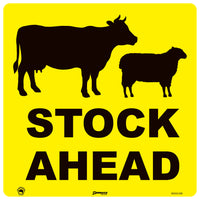
In the dynamic and often hazardous environment of construction sites, safety is paramount. Construction safety signs play a critical role in ensuring the protection of workers by providing essential information, warnings, and guidance. These signs are not just regulatory requirements; they are vital tools for preventing accidents and promoting a culture of safety. This article delves into the importance of construction safety signs, their various types, and best practices for implementation on-site.
The Importance of Construction Safety Signs
Construction safety signs serve multiple purposes, each designed to communicate specific messages that can prevent workplace injuries and fatalities. They help to:
- Alert workers to potential hazards.
- Provide instructions on safe practices and emergency procedures.
- Ensure compliance with local and international safety regulations.
- Enhance the overall safety culture within the construction site.
By effectively communicating risks and safety measures, these signs help in mitigating accidents, thereby ensuring a safer working environment. Discover expert strategies here for implementing effective signage solutions.
Types of Construction Safety Signs
Warning Signs
Warning signs are designed to alert workers of potential hazards that may not be immediately obvious. These signs typically feature a yellow background with black text or symbols, ensuring high visibility. Common examples include:
- “Caution: Wet Floor”? to prevent slip and fall accidents.
- “Danger: High Voltage”? near electrical installations.
- “Warning: Falling Objects”? in areas where overhead work is performed.
Mandatory Signs
These signs indicate actions that must be taken to ensure safety. Characterized by a blue background with white symbols or text, mandatory signs include:
- “Wear Hard Hats”? to protect against head injuries.
- “Safety Footwear Must Be Worn”? to prevent foot injuries.
- “Wear Protective Eyewear”? for eye protection in hazardous environments.
For more insights on advanced guides and tips on mandatory signage, visit the site.
Prohibition Signs
Prohibition signs indicate actions that are not permitted to prevent dangerous situations. These signs are easily recognizable with a red circle and a diagonal line. Examples include:
- “No Entry”? to unauthorized personnel in restricted areas.
- “No Smoking”? in flammable zones.
- “No Running”? to avoid trip hazards.
Best Practices for Safety Sign Implementation
Ensuring the effectiveness of construction safety signs requires strategic implementation. Here are some best practices:
- Conduct a thorough risk assessment to identify potential hazards and determine the necessary signage.
- Ensure signs are clearly visible, legible, and placed at appropriate locations where the message is most pertinent.
- Regularly maintain and update signs to ensure they remain in good condition and reflect any changes in site conditions.
- Incorporate pictograms for universal understanding, especially in multilingual environments.
- Conduct regular training sessions for workers to familiarize them with the meaning and importance of each sign.
Learn about tailored solutions for site-specific safety signage requirements.
Conclusion
Construction safety signs are indispensable tools for ensuring worker safety on-site. They effectively communicate crucial information that can prevent injuries and save lives. By understanding the types of safety signs, their purposes, and best practices for deployment, construction sites can create a safer working environment. Find out more about this approach to optimize safety measures on any construction site.