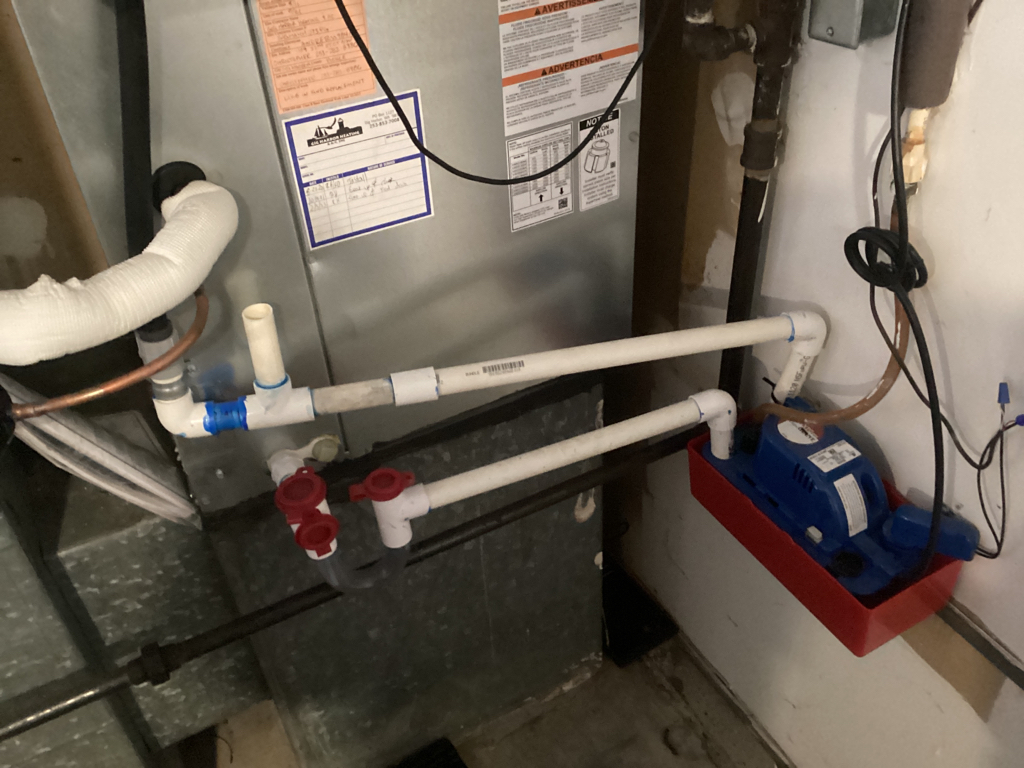
Furnace installation is a critical service for ensuring the comfort and safety of homes and buildings, particularly in regions with harsh winters. An efficiently installed furnace can significantly improve energy efficiency, reduce utility bills, and enhance indoor air quality. Understanding the nuances of furnace installation can help optimize performance and longevity of the heating system. This article delves into the importance of efficient furnace installation, the steps involved, and the benefits of professional services.
Understanding Furnace Installation
Furnace installation involves several technical steps that require specific skills and expertise. Proper installation ensures that the furnace operates safely and effectively. Here are some key aspects to consider:
- Choosing the Right Furnace: Selecting the appropriate furnace for a space involves considering factors such as the size of the area, fuel type (electric, gas, or oil), and energy efficiency ratings.
- Professional Assessment: A professional assessment of the space can provide insights into the optimal furnace size and type needed for maximum efficiency.
- Ductwork Evaluation: Ensuring that existing ductwork is compatible with the new furnace is crucial for efficient airflow and heating distribution.
- Compliance with Regulations: Adhering to local codes and regulations is essential to ensure safety and efficiency. Explore further insights here.
Steps Involved in Furnace Installation
The process of installing a furnace involves meticulous planning and execution. Below are the typical steps involved in a standard furnace installation:
1. Site Preparation
Before installation, the site must be prepared. This includes clearing the area where the furnace will be placed, ensuring adequate ventilation, and checking for any obstructions that might affect installation.
2. Installation of Components
The installation process involves setting up various components such as:
- Furnace Unit: Positioning and securing the furnace in place.
- Ductwork: Connecting the furnace to the existing duct system, or installing new ducts if necessary.
- Electrical Connections: Ensuring proper electrical connections for safe operation.
- Thermostat Installation: Installing and configuring the thermostat for optimal temperature control. Find additional information here.
3. Testing and Calibration
Once the installation is complete, the system undergoes rigorous testing to ensure all components are functioning correctly. Calibration of the thermostat and other controls is done to align the system with the desired settings.
4. Final Checks and Safety Measures
Final checks include ensuring that all safety measures are in place. This involves checking for gas leaks in gas furnaces, confirming that all electrical connections are secure, and ensuring proper ventilation.
Benefits of Professional Furnace Installation
Opting for professional furnace installation services offers numerous advantages:
- Expertise and Experience: Professionals possess the necessary skills and experience to handle complex installation tasks efficiently and safely.
- Time and Cost Efficiency: Professional services can save time and reduce the likelihood of costly mistakes during installation. Learn more in this detailed guide here.
- Warranty and Support: Professional installers often provide warranties and ongoing support, ensuring peace of mind and reliability.
- Compliance with Standards: Professionals ensure compliance with all relevant standards and regulations, enhancing safety and efficiency.
Efficient furnace installation is crucial for optimizing the performance and longevity of heating systems. By understanding the key aspects of installation and the benefits of engaging professional services, individuals can make informed decisions that enhance comfort and safety. For those seeking more detailed guidance on furnace installation, read more about this topic.