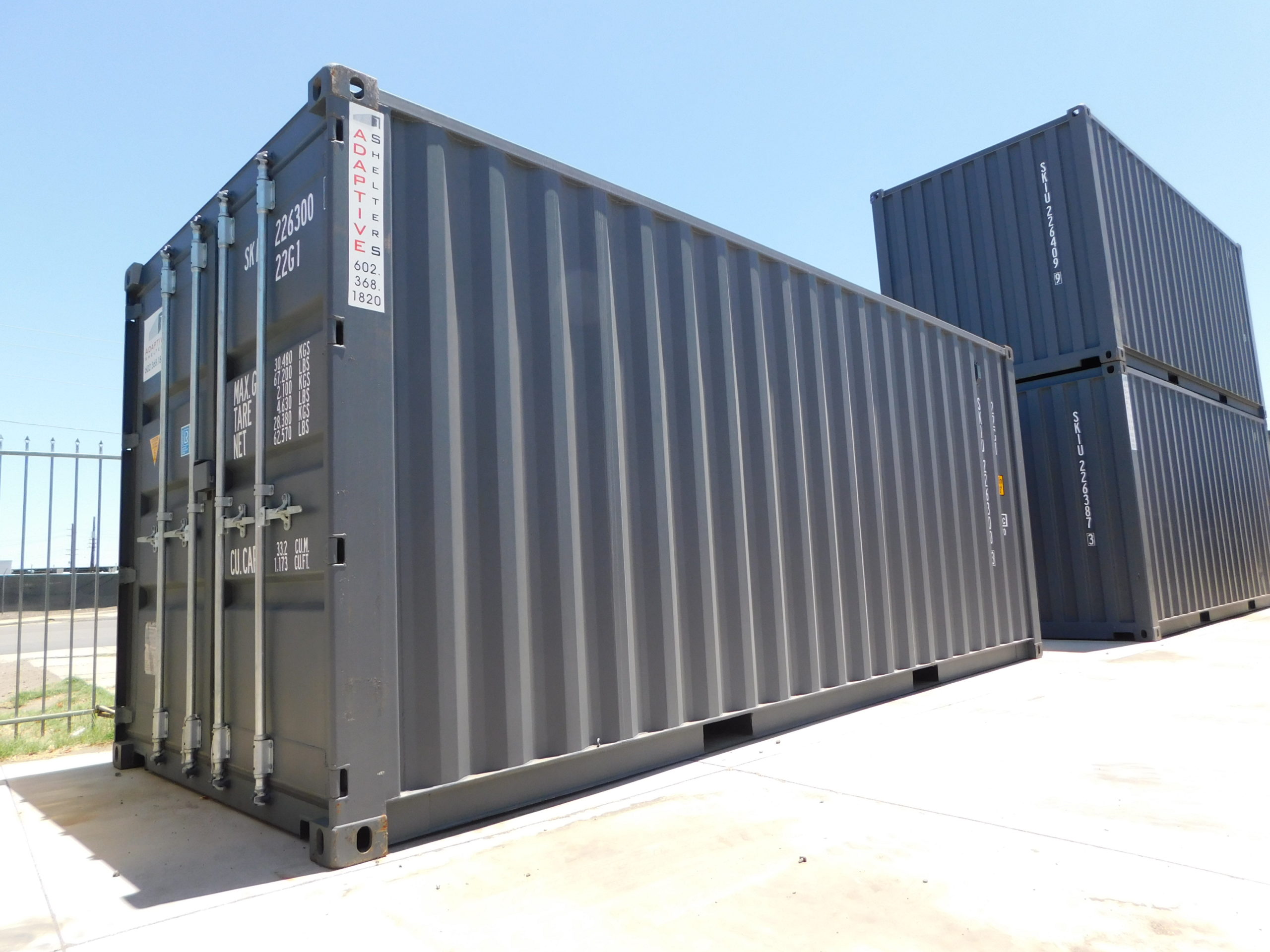
In recent years, modular construction has gained significant attention due to its numerous advantages over traditional building methods. One of the most notable benefits is the speed at which occupancy can be achieved. By utilizing prefabricated sections, modular construction not only accelerates the building process but also enhances efficiency and reduces costs. This modern approach to construction is revolutionizing the industry, offering a viable solution to meet the growing demand for residential, commercial, and industrial spaces.
The Concept of Modular Construction
Modular construction involves the use of pre-manufactured building blocks or modules, which are produced off-site and then transported to the construction site for assembly. This technique allows for:
- Reduced construction time, as modules can be built concurrently with site preparation.
- Improved quality control, since modules are produced in a controlled factory environment.
- Minimized site disruption, leading to less waste and noise pollution.
The modular approach is inherently flexible, allowing for easy customization and scalability, which is crucial for meeting diverse project requirements. Read more about this topic.
Achieving Fast Occupancy Rates
Speed and Efficiency
One of the key advantages of modular construction is its ability to significantly reduce the time from project inception to occupancy. This speed is achieved through:
- Parallel processing, where site work and module fabrication occur simultaneously.
- Streamlined assembly processes that are less affected by weather conditions.
- Reduced labor requirements, allowing for faster completion times.
These factors contribute to a faster return on investment for developers and a quicker move-in for tenants. Learn more in this detailed guide.
Cost-Effectiveness
Modular construction can lead to significant cost savings due to its efficient resource use and reduced labor needs. Key elements contributing to cost-effectiveness include:
- Lower material waste, as precise manufacturing reduces excess.
- Decreased on-site labor costs, since much of the construction occurs in a factory setting.
- Shortened project timelines, which lower financing and operational expenses.
These cost savings can be passed on to consumers, making modular buildings an attractive option for both builders and buyers. Explore further insights here.
Challenges and Considerations
While modular construction offers many advantages, there are also challenges to consider. These include:
- Transportation logistics, as modules must be carefully transported to the site.
- Design limitations, given the need to transport modules efficiently.
- Regulatory hurdles, as building codes may vary by region and need to be addressed in the design phase.
Addressing these challenges requires careful planning and coordination among stakeholders. Find additional information here.
The Future of Modular Construction
As the demand for quick, efficient, and sustainable building methods grows, the future of modular construction looks promising. Innovations in materials and techniques continue to evolve, further enhancing the benefits of this construction method. With ongoing advancements, modular construction is poised to play a critical role in addressing global housing shortages and infrastructure needs.
For those in the construction industry, embracing modular methods can lead to substantial benefits in terms of speed, cost, and quality. As such, modular construction is not just a trend but a transformative shift in how we build for the future. Explore further insights here.