In the evolving landscape of home heating and cooling systems, ductless heat pumps have emerged as a popular choice due to their efficiency and versatility. These systems offer an innovative solution for temperature control in both residential and commercial settings, providing an alternative to traditional HVAC systems. However, before investing in a ductless heat pump, it is crucial to understand the key factors that influence their performance and suitability for specific applications. This article delves into the essential considerations to ensure an informed decision is made when contemplating the installation of a ductless heat pump.
Understanding the Basic Components
Before diving into the specifics, it’s essential to understand the basic components that make up a ductless mini split heat pump:
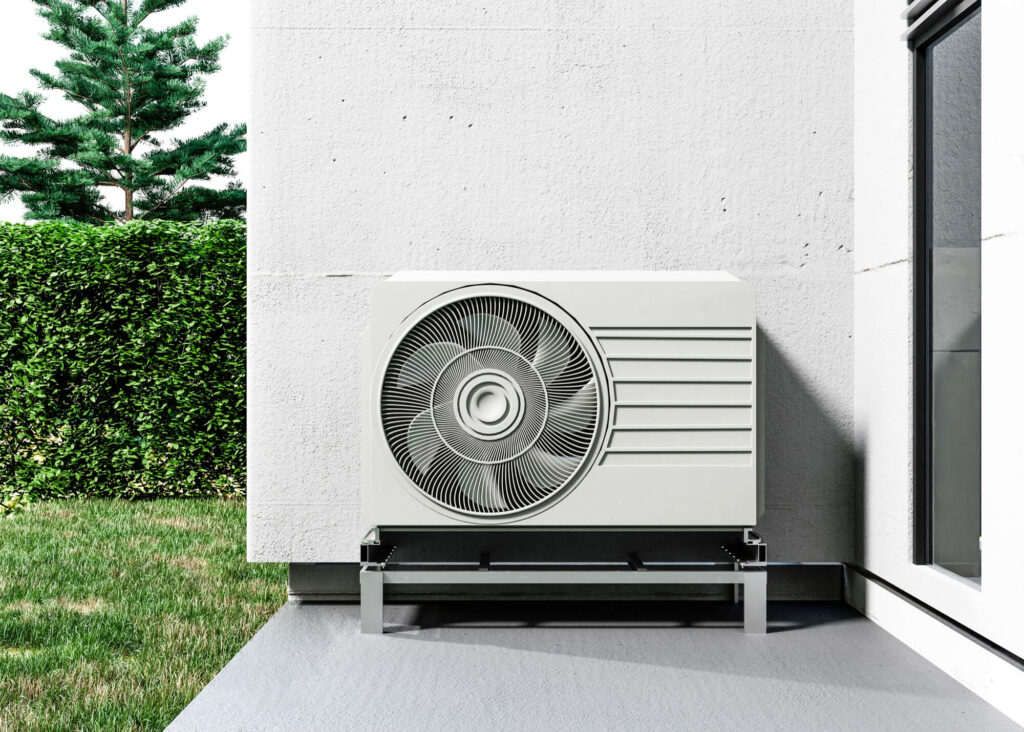
- Outdoor Unit: This contains the compressor and is installed outside the building.
- Indoor Unit: Mounted inside the room, it distributes the air. It can be wall-mounted, floor-mounted, or ceiling cassette.
- Refrigerant Lines: These connect the indoor and outdoor units, allowing for heat exchange.
- Remote Control: Most systems come with a remote control for easy operation.
Factors to Consider
1. Energy Efficiency
Energy efficiency is one of the most compelling reasons to choose a ductless heat pump. When evaluating efficiency, consider the Seasonal Energy Efficiency Ratio (SEER) and the Heating Seasonal Performance Factor (HSPF). Higher SEER and HSPF ratings indicate better efficiency, which can lead to lower energy bills.
2. Size and Capacity
The capacity of a ductless heat pump unit should match the size of the space it will serve. An undersized unit may struggle to maintain the desired temperature, while an oversized unit can lead to short cycling and increased wear. Consulting with a professional for a proper load calculation is advisable.
3. Installation Considerations
Proper ductless heat pump installation is critical for optimal performance. Factors include the placement of indoor units to ensure adequate airflow and the positioning of the outdoor unit to minimize noise and improve aesthetics. Choose a reputable installer to ensure that these considerations are met.
4. Climate Suitability
While ductless systems are versatile, their efficiency can be affected by the climate. Some models, such as the mitsubishi ductless heat pump, are designed to perform well in colder climates. Ensure the selected model is suitable for the local climate to maximize efficiency and comfort.
5. Maintenance Requirements
Regular maintenance is essential to keep the system running efficiently. This includes cleaning filters, checking refrigerant levels, and inspecting electrical components. Consider the ease of maintenance and the availability of professional support in your area.
Advantages of Ductless Heat Pumps
Understanding the benefits that ductless heating installation offers can further inform your decision:
- Zone Control: Each indoor unit can be controlled independently, allowing for customized heating or cooling in different rooms.
- Flexibility of Installation: Without the need for extensive ductwork, installation is typically quicker and less invasive.
- Improved Indoor Air Quality: Ductless systems often include advanced filtration that can reduce dust, bacteria, and allergens.
- Quiet Operation: These systems are designed to operate quietly, enhancing comfort within living spaces.
Conclusion
Considering the above factors will help ensure that the ductless heat pump chosen is tailored to the specific needs of the space it will serve. With careful planning and professional guidance, a ductless system can provide an energy-efficient and comfortable environment for years to come. For those seeking to enhance their heating and cooling solutions, exploring the various options and configurations of ductless systems is a worthwhile endeavor.