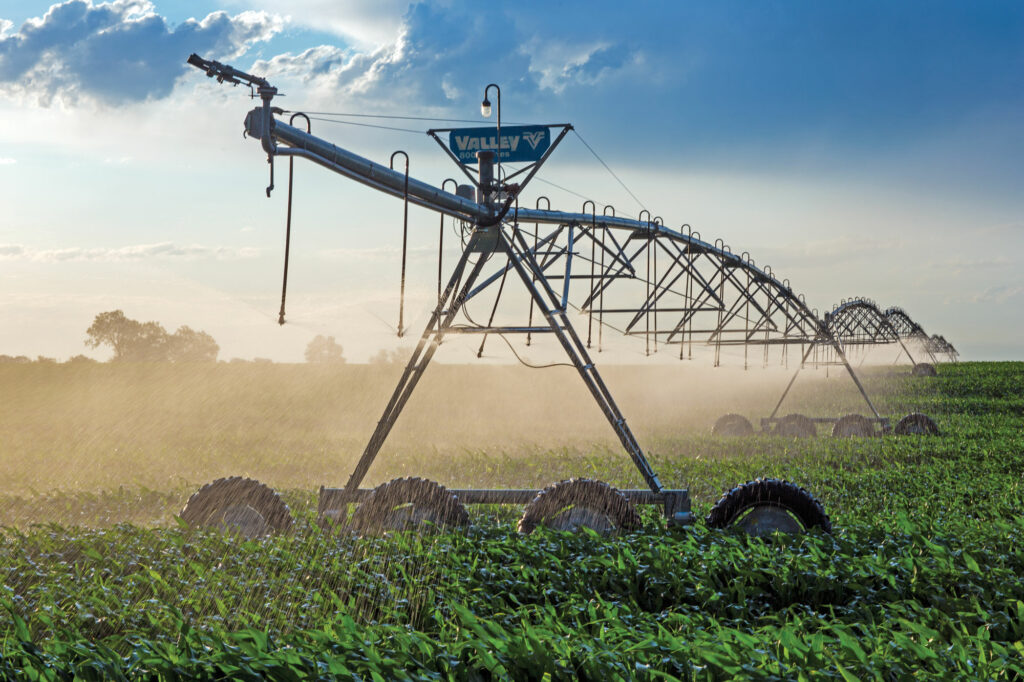
Maximize Efficiency: How a Remote Control Irrigation Controller Can Help
In the fast-evolving world of agriculture, the need for efficiency and precision has never been more critical. Farmers and agricultural professionals are constantly seeking innovative solutions to optimize their operations. One such solution that has garnered attention is the remote control irrigation controller. This cutting-edge technology promises to revolutionize how irrigation is managed, offering a plethora of benefits that can significantly enhance productivity.
The Need for Advanced Irrigation Solutions
Traditional irrigation methods often lack the precision and control required to meet the demands of modern agriculture. Water wastage, uneven distribution, and time-consuming manual operations are just a few challenges that farmers face. Implementing a remote control irrigation controller can address these issues effectively.
Key Advantages of Remote Control Irrigation Controllers
- Precision Water Management: These controllers allow for accurate water distribution, ensuring that crops receive the optimal amount needed for growth.
- Time Efficiency: By automating irrigation processes, farmers can save significant time that can be allocated to other critical tasks.
- Cost Savings: Reducing water wastage and optimizing energy use leads to substantial cost savings in the long run.
- Remote Access and Monitoring: Farmers can monitor and adjust irrigation schedules from anywhere, providing flexibility and control.
For those interested in understanding more about this technology, discover expert strategies here to enhance your irrigation systems.
How It Works: The Technology Behind the Controller
Remote control irrigation controllers are equipped with advanced sensors and software that facilitate seamless operation. Here’s how they work:
Integration with Existing Systems
These controllers can be integrated with existing irrigation systems, making them a versatile option for various agricultural setups. Learn about our tailored solutions for integrating these controllers into your current infrastructure.
Real-Time Data and Analytics
- Data Collection: Sensors gather real-time data on soil moisture, weather conditions, and crop requirements.
- Analytics: The collected data is analyzed to optimize irrigation schedules and improve water use efficiency.
For a deeper understanding of data-driven irrigation, explore advanced guides and tips on leveraging analytics for better farm management.
Implementing Remote Control Irrigation: Steps to Success
Adopting remote control irrigation controllers involves several key steps to ensure a successful transition and integration into existing farming practices.
Assessment and Planning
Before implementing this technology, it is crucial to assess the specific needs of the farm and plan accordingly. Consider factors such as crop type, soil conditions, and water availability.
Installation and Setup
- Professional Installation: Engage with professionals to ensure proper installation and setup of the controllers.
- Training and Support: Provide adequate training for farm staff to effectively use and manage the new system.
To find out more about this approach, visit this page for comprehensive insights on installation and operational support.
Conclusion: Embracing the Future of Agriculture
As the agricultural industry continues to evolve, embracing technology like remote control irrigation controllers can propel farm operations into the future. By maximizing efficiency, reducing costs, and improving crop yield, these controllers are an invaluable asset for modern farmers. For those ready to make the leap, exploring the potential of this technology can lead to significant advancements in agricultural productivity.
For more information on how remote control irrigation controllers can transform your farming practices, explore advanced guides and tips available online.