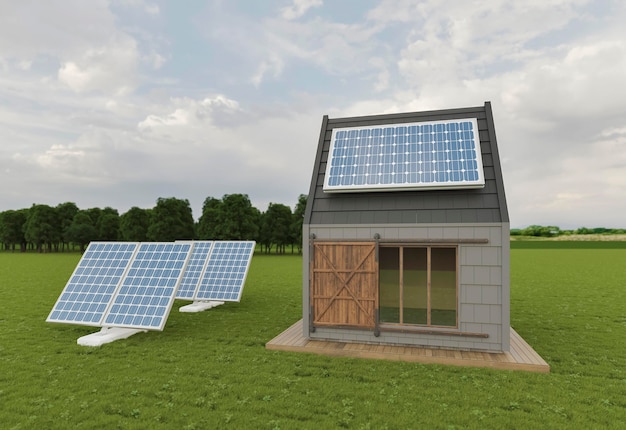
In the evolving landscape of renewable energy, optimizing the design process for solar installations plays a crucial role in ensuring efficiency and sustainability. As the demand for solar energy solutions continues to rise, it becomes imperative for solar professionals to streamline their design processes to meet client expectations and regulatory compliance. By adopting advanced methodologies and leveraging cutting-edge technology, a seamless solar installation design can be achieved, benefiting both clients and the environment.
Understanding the Basics of Solar Installation Design
Solar installation design is a multifaceted process that involves several key factors. These include:
- Assessing site conditions such as roof size, orientation, and shading.
- Calculating energy needs based on household or commercial consumption patterns.
- Selecting appropriate solar panels and inverters.
- Ensuring compliance with local regulations and building codes.
Understanding these basics lays the foundation for efficient design and implementation. Discover expert strategies here.
Utilizing Advanced Design Software
Harnessing the power of advanced design software can significantly enhance the solar installation design process. These tools offer:
- 3D modeling capabilities for accurate visualization of solar systems.
- Simulation features to predict energy output and financial savings.
- Automated compliance checks to ensure designs meet regulatory standards.
Learn about our tailored solutions here.
Benefits of Automation
Automation in the design process can reduce human error and increase efficiency. By automating repetitive tasks, designers can focus on optimizing system performance and addressing client-specific needs. Explore advanced guides and tips here.
Incorporating Client Feedback
Incorporating client feedback into the design process is crucial for delivering tailored solutions. Engaging with clients throughout the design phase ensures that their specific needs and preferences are met. This approach not only enhances customer satisfaction but also fosters long-term relationships.
Check out customer reviews here to see what others are saying about us.
Ensuring Compliance and Quality Assurance
Compliance with local regulations and quality assurance are non-negotiable elements of solar installation design. A robust quality assurance process ensures that installations are safe, reliable, and efficient. This involves:
- Regularly updating designs to meet changing regulations.
- Conducting thorough inspections and testing of components.
- Providing comprehensive documentation and training for installation teams.
Find out more about this approach here.
Conclusion
Streamlining the solar installation design process is essential for meeting the growing demand for renewable energy solutions. By embracing advanced technologies, incorporating client feedback, and ensuring compliance, solar professionals can deliver efficient and sustainable solutions that benefit both clients and the environment. For those interested in refining their design processes, exploring industry guides and resources can provide invaluable insights. Explore more about these strategies here.