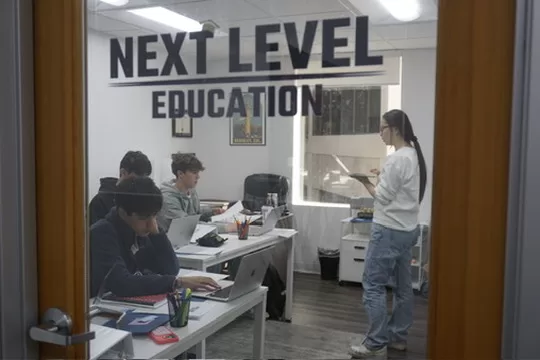
In the realm of education, the concept of customized learning programs has emerged as a pivotal strategy to enhance student learning. These programs are designed to cater to individual learning styles and needs, facilitating a more effective and engaging educational experience. By personalizing the learning journey, these programs aim to maximize student potential and address diverse learning challenges. As educational institutions and instructors explore innovative ways to support students, customized programs stand out as a viable solution to improve learning outcomes.
The Importance of Tailored Learning Approaches
Customized learning programs are fundamentally important in today’s education landscape for several reasons:
- Individualized Attention: Every student has unique strengths and weaknesses. Tailored programs ensure that each learner receives the specific support they need to excel.
- Flexibility in Learning: These programs often offer flexible scheduling and pacing, allowing students to learn at their own speed.
- Enhanced Engagement: By aligning educational content with student interests, customized programs foster greater engagement and motivation.
- Focused Skill Development: Tailored programs can target specific skills that need improvement, thereby building a stronger foundation for future learning.
To delve deeper into the nuances of customized learning, read more about this topic.
Components of an Effective Customized Program
Assessment and Diagnosis
A successful customized learning program begins with a comprehensive assessment to understand a student’s current abilities and learning style. This diagnostic phase is crucial in designing a tailored plan that effectively addresses the student’s needs.
Developing Personalized Learning Plans
Personalized learning plans are the backbone of customized programs. These plans should include:
- Clear Learning Objectives: Establish specific goals that the program intends to achieve for the student.
- Curriculum Adaptation: Modify existing curriculum frameworks to better align with individual learner profiles.
- Resource Allocation: Provide appropriate tools and resources to support the learning objectives.
Explore further insights here on developing effective personalized learning plans.
Technology Integration in Customized Programs
The integration of technology is a key enabler of customized learning programs. Digital tools and platforms can offer a range of benefits:
- Interactive Learning Platforms: Tools such as educational apps and software provide interactive experiences that can enhance understanding and retention.
- Data-Driven Insights: Technology allows for the collection and analysis of data to track student progress and adjust learning plans accordingly.
- Remote Learning Opportunities: Online platforms enable remote access to educational content, broadening the reach of customized programs.
To understand how technology can further enhance learning, learn more in this detailed guide.
Challenges and Considerations
While customized learning programs offer numerous advantages, they also come with certain challenges:
- Resource Intensive: Developing and implementing these programs can require significant time and resources.
- Need for Skilled Educators: Effective delivery of customized programs depends on educators who are skilled in personalized instruction.
- Balancing Standardization and Personalization: Striking the right balance between standardized curricula and personalized content can be complex.
For additional information on addressing these challenges, find additional information here.
In summary, customized learning programs offer a promising approach to enhancing student learning. By focusing on individual needs, integrating technology, and overcoming implementation challenges, these programs can significantly improve educational outcomes.