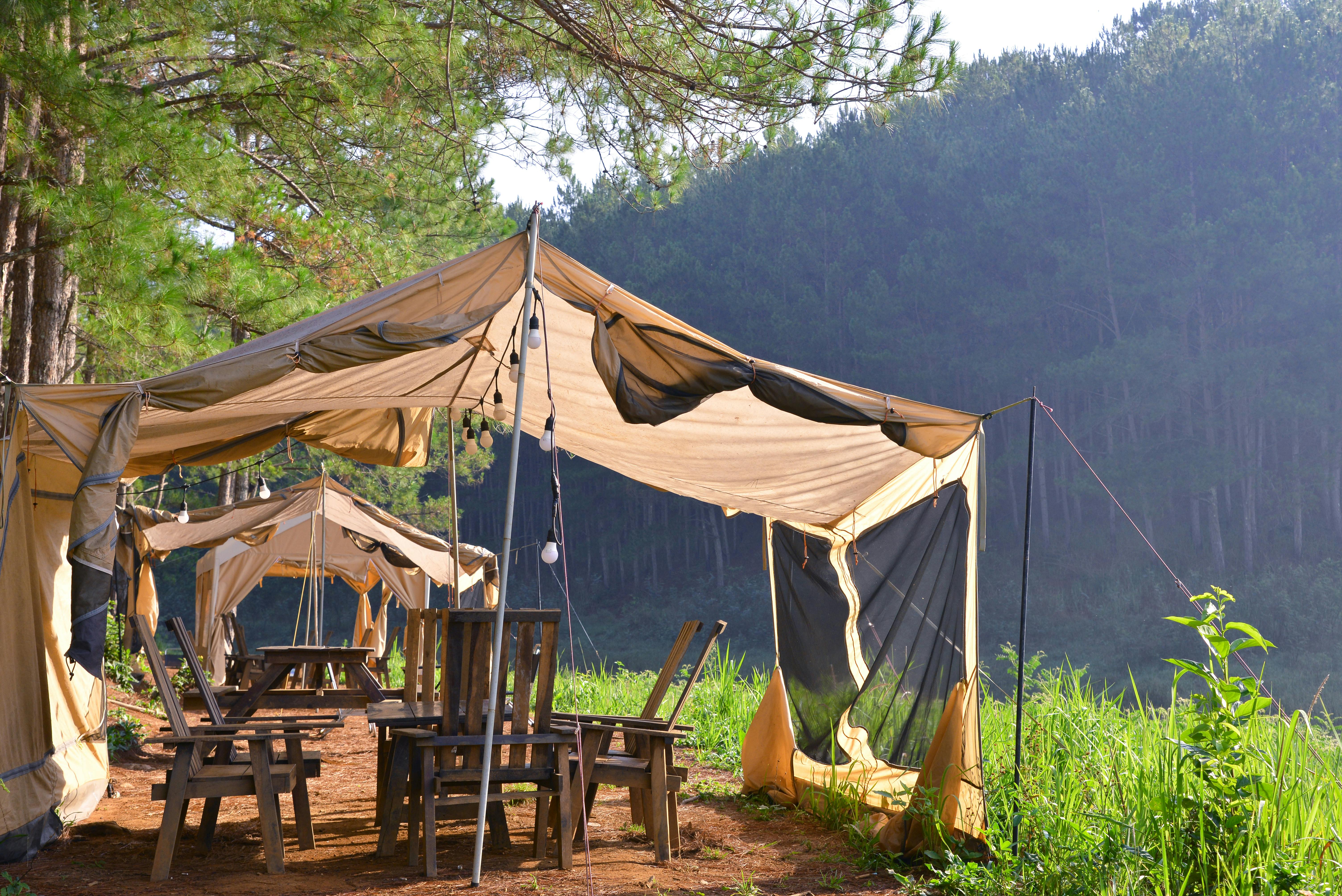
Custom tents have become a popular choice for businesses and individuals looking to make a statement at events, festivals, and trade shows. The versatility and functionality of tents make them an ideal canvas for branding, messaging, and creative designs. Whether it’s a pop-up tent for a weekend market or a large-scale structure for corporate events, understanding the design possibilities and practical considerations is crucial. This guide explores the essential aspects of custom tent design, offering insights and tips to help create the perfect tent for any occasion.
Understanding Your Needs
Before diving into the design process, it’s important to clearly understand the specific requirements of the tent. Consider the following:
- Purpose: Determine the primary use of the tent. Is it for branding, shelter, or both?
- Size: Assess the space needed for equipment, products, and personnel.
- Location: Consider the environment where the tent will be used, such as indoor vs. outdoor settings.
- Budget: Set a realistic budget that accommodates design, materials, and any additional features.
For more detailed guidance, learn about our tailored solutions.
Design Elements to Consider
A well-designed tent should be visually appealing, functional, and aligned with brand objectives. Key elements to focus on include:
Color and Branding
The choice of colors and branding elements can significantly impact the tent’s effectiveness in attracting attention. Consider:
- Brand Colors: Use your brand’s color palette to ensure consistency with other marketing materials.
- Logos and Graphics: Incorporate logos and key graphics prominently to enhance brand visibility.
- Contrast: Use contrasting colors to make text and graphics stand out.
For ideas on effective branding, discover expert strategies here.
Materials and Durability
Selecting the right materials ensures longevity and performance in various conditions:
- Fabric: Opt for high-quality, weather-resistant fabrics that provide UV protection.
- Frame: Choose durable frames, such as aluminum or steel, for stability and strength.
- Printing Techniques: Use advanced printing methods for vibrant, long-lasting graphics.
For a deeper understanding, explore advanced guides and tips.
Practical Design Tips
To maximize the impact and usability of the custom tent, keep these tips in mind:
- Modular Components: Consider modular designs for flexibility and easy setup.
- Accessibility: Ensure the tent is easily accessible and complies with accessibility regulations.
- Lighting: Incorporate lighting solutions for enhanced visibility, especially for evening events.
To find out more about this approach, click here.
Conclusion
Designing a custom tent involves balancing aesthetic appeal with practical functionality. By understanding the specific needs and focusing on key design elements, it is possible to create a tent that not only serves its purpose but also enhances brand visibility and user experience. By integrating strategic design components, the final product can become a powerful tool for engagement and communication at any event.