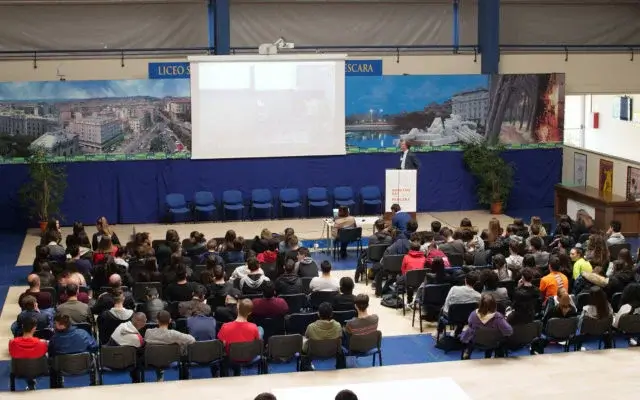
In recent years, there has been a significant shift in educational paradigms, with a greater emphasis on Science, Technology, Engineering, and Mathematics (STEM) education. This shift is largely driven by the growing demand for skills and competencies required in the modern workforce. As educators strive to prepare students for this dynamic environment, there is an urgent need to transform traditional teaching methods. Professional development in STEM education is a crucial component of this transformation, providing teachers with the necessary tools and knowledge to effectively integrate STEM principles into their classrooms.
The Importance of STEM Professional Development
STEM professional development equips teachers with the skills to foster a learning environment that encourages critical thinking, problem-solving, and innovation. By participating in STEM training programs, educators can:
- Stay updated with the latest educational technologies and methodologies.
- Enhance their ability to create interdisciplinary lessons that connect STEM concepts to real-world applications.
- Improve student engagement and learning outcomes by incorporating hands-on activities and collaborative projects.
- Utilize data-driven decision-making to tailor instruction to individual student needs.
For educators seeking to advance their instructional methods, it’s essential to discover expert strategies here.
Implementing Effective STEM Strategies in the Classroom
Hands-on Learning and Experimentation
One of the core aspects of STEM education is providing students with opportunities for hands-on learning and experimentation. This approach not only makes learning more engaging but also helps students retain information more effectively. Teachers can implement strategies such as:
- Incorporating lab experiments and projects that allow students to apply theoretical knowledge.
- Using simulations and virtual labs to expand access to resources and experiments.
- Encouraging collaborative projects that mimic real-world problem-solving scenarios.
To learn about our tailored solutions for integrating these strategies, educators can find out more about this approach.
Interdisciplinary Lessons
Integrating STEM subjects with other disciplines, such as the arts and humanities, can provide a more holistic educational experience. Teachers can design lessons that:
- Highlight the connections between STEM and non-STEM subjects.
- Encourage students to draw from multiple disciplines to solve complex problems.
- Incorporate storytelling and creative projects to enhance understanding.
Educators interested in crafting interdisciplinary lessons can explore advanced guides and tips.
Overcoming Challenges in STEM Education
While the benefits of STEM education are clear, educators often face challenges such as limited resources, varying levels of student readiness, and the need for continuous professional development. To address these issues, schools and educators can:
- Leverage technology to provide access to a wide range of learning tools and resources.
- Implement differentiated instruction techniques to cater to diverse learning needs.
- Encourage collaboration among teachers to share best practices and resources.
For comprehensive support in overcoming these challenges, educators can learn about our tailored solutions.
Conclusion
Transforming teaching methods through STEM professional development is a critical step towards preparing students for the future. By equipping educators with the skills and knowledge to integrate STEM effectively, students can develop the competencies needed to thrive in a rapidly evolving world. Explore advanced guides and tips to enhance STEM education and foster a culture of innovation and curiosity in the classroom.